US PROVIDES FINANCIAL SUPPORT TO NIGER STATE TO HELP PREVENT MALNUTRITION

The administration of Farmer Governor Mohammed Umar Bago of Niger state has secured a grant from the United States of America (USA) to help in the prevention of malnutrition in the lives of over 36,000 women and children across thirteen (13) local government areas of the State.
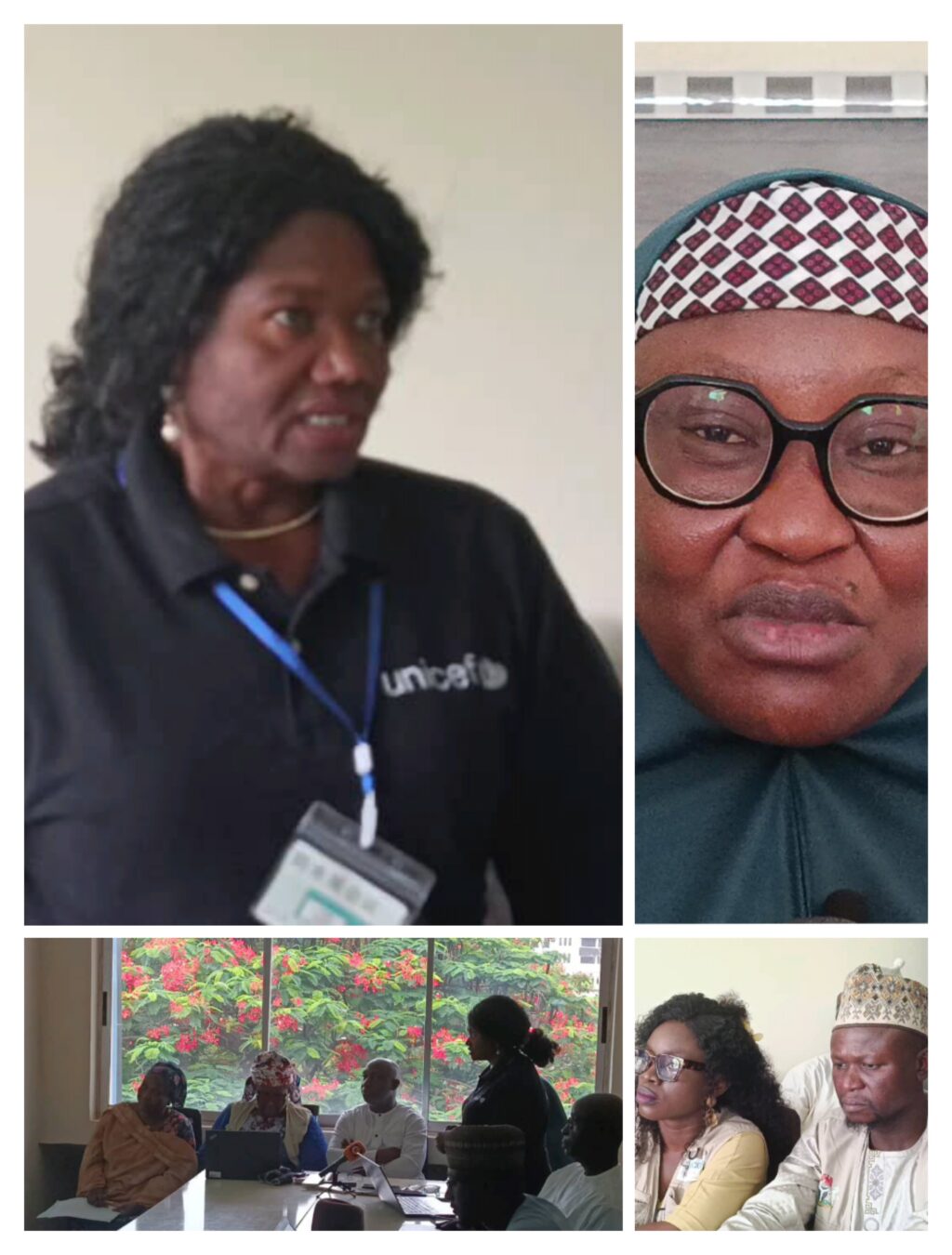
Permanent Secretary, Niger state Planning Commission, Hajia Aisha Usman said in an interview after a pre-planning meeting with implementing Partners on Preventing Malnutrition in the first 1,000 Days of Life, a program supported by the Government of the United States and United Nations Children’s Fund (UNICEF) that
According to her “UNICEF is coming with a grant from the United States of America (USA) to support the high impact of malnutrition in 13 LGAs in the State.
“We are hoping that the State will act, because there is a possibility of whether we can take the whole 25 local governments in the state, so that we can touch every local government.”
While disclosing that, the State has between June and February 2027, she said “we are going to work fast to be able to achieve the program because it will end in February 2027”.
Earlier, Chief of UNICEF, Kaduna Office, Dr. Gerida Birukila said the Grant will further strengthen all the strategies the UNICEF have been reeling out in Niger state to scale up nutrition in the state.
Gerida who was represented by UNICEF Nutrition Specialist, Chinwe Ezeife said the total grant amount for the country is over three million US dollars ($3 million) for implementation in seven states which includes Niger.
According to her “UNICEF will provide the technical support to the Niger State government in utilizing the US Grant-towards implementing strategies for preventing malnutrition in the first 1000 Days of life.
“Also, we will be looking at uptake of services to scale up nutrition high impact so that the State can record improved health and nutritional status of women and children”.
Present at the pre-planning meeting include representatives from UNICEF, the State Primary Health Care Development Agency and the State Planning Commission.
About The Author