FEDERAL UNITY COLLEGES SHUT NATIONWIDE AS STRIKE D2026/2027 ACADEMIC SESSION
By Ismaila Saba Favu
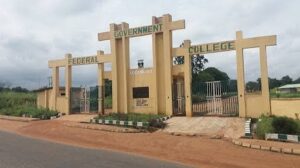
The 2026/2027 academic session in Nigeria’s Federal Unity Colleges has been disrupted following industrial action by education unions over the Federal Government’s proposed concession of King’s College, Lagos.
The development has affected students, parents, teachers and other stakeholders across the country, with most Federal Government Colleges, Federal Government Girls’ Colleges and Federal Science and Technical Colleges unable to commence normal academic activities.
The Federal Government had directed students of the 115 Federal Unity Colleges nationwide to resume for the new academic session on September 14, 2026. However, the Joint Congress of Unions of the Federal Ministry of Education directed its members not to resume duties pending resolution of the dispute.
Reports indicated that 112 of the 115 Federal Unity Colleges remained shut following the workers’ boycott of the scheduled resumption. Three schools — FGC Kwali in the Federal Capital Territory, FGC Okposi in Ebonyi State and FGC Otobi in Benue State were reported to have opened, particularly to accommodate students who had already travelled to their schools.
The situation has left thousands of students who were preparing to return to their classrooms uncertain about when academic activities will fully commence.
For many parents, the development has created additional difficulties, particularly for those who had already spent money on transportation, school materials, feeding and other resumption requirements.
Some parents travelled with their children to the schools only to meet closed gates or receive information that resumption had been suspended until further notice. Reports from Anambra, Ebonyi and Enugu confirmed that several Federal Unity Colleges remained without normal academic activities.
In Enugu State, for example, the Federal Government College, Enugu, was reported to have been under lock and key, while similar developments were recorded at Federal Government Girls’ College, Ezzamgbo, and other unity schools.
The immediate disagreement centres on the Federal Government’s decision concerning King’s College, Lagos, a historic Federal Unity College.
The government has described the arrangement as a concession, while the unions have expressed opposition to the arrangement and demanded its reversal.
The education unions have also demanded engagement with the Federal Government, insisting that the concerns surrounding the future management of Federal Unity Colleges should be discussed with the relevant stakeholders.
In their September 10 communiqué, the unions directed that there should be no resumption in any Federal Unity College until the dispute was satisfactorily resolved.
They said their position covered Federal Government Colleges, Federal Government Girls’ Colleges and Federal Technical Colleges across the country.
The Federal Government, however, maintained the school calendar and assured parents that arrangements had been made for the safe reopening of the institutions.
The disagreement has consequently placed parents and students in a difficult position, as many families are uncertain whether to keep their children at home or prepare them for a possible announcement of a new resumption date.
Beyond the immediate disruption of academic activities, the controversy has generated a broader conversation about the future of Nigeria’s Federal Unity Colleges and how such institutions should be funded, managed and maintained.
Federal Unity Colleges were established to promote national integration by bringing students from different parts of the country together in a common educational environment.
For generations of Nigerians, the schools have provided opportunities for students from different ethnic, religious and socioeconomic backgrounds to study together and build relationships beyond their immediate communities.
The current dispute therefore has implications beyond the immediate question of when students will return to their classrooms. It has also raised questions about the future management and financing of institutions that have played a significant role in Nigeria’s educational history.
Parents and students are now looking towards the Federal Government and the education unions for dialogue and a resolution that will allow academic activities to resume without prolonged disruption.
The priority for students remains the restoration of normal academic activities, particularly as prolonged closure could affect the academic calendar, examinations, teaching schedules and other school programmes.
As discussions continue, stakeholders are expected to seek a solution that addresses the concerns of the unions while protecting the educational interests of thousands of students across the Federal Unity Colleges.
Until an agreement is reached and a fresh directive is issued, uncertainty remains over the full resumption of the 2026/2027 academic session in many Federal Unity Colleges across Nigeria
About The Author